

In alignment with SAMHIN’s mission to foster open dialogue around mental health within the South Asian community and spotlight the voices driving this important work we invited Aanya Jajoo to share her reflections on why individuals can feel unhappy and unsettled despite outward success. If you missed her earlier insightful piece on navigating mental health conversations within South Asian families, you can read You Started the Conversation, Now What.
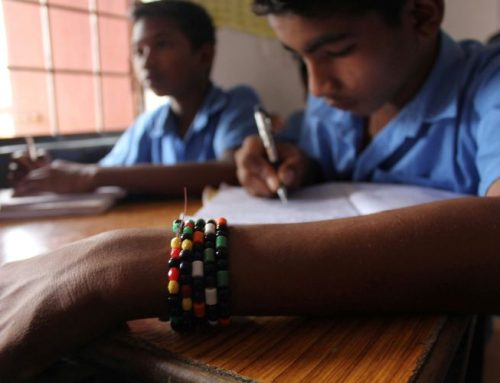
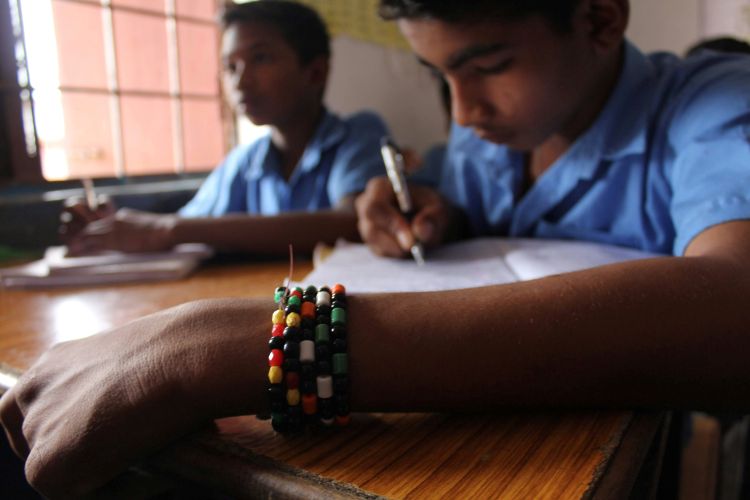
On the surface, things look fine. You’re keeping up with responsibilities, meeting expectations, and showing up where you need to. There is little that signals something is wrong. But internally, it can feel very different. There may be a constant sense of pressure, difficulty switching off, or a quiet exhaustion that does not match how your life appears. When distress does not interrupt your routine, it can be easy to overlook, both for others and for yourself.
In many South Asian families, functioning often becomes the primary marker of well-being. Being able to study, work, and meet responsibilities is commonly taken as evidence that someone is doing okay. In many ways, this makes sense, as functioning can reflect stability, discipline, and the ability to engage with life. At the same time, it is possible to perform well while experiencing significant stress, anxiety, or emotional exhaustion. When functioning becomes the only lens through which well-being is understood, internal distress can be easily overlooked.
This is where the experience becomes confusing. There is a disconnect between how things look and how they feel. On the outside, there is structure and progress. On the inside, there may be restlessness, self-criticism, or a sense that you are always falling slightly short. You might find yourself wondering, “If I’m doing fine, why does it feel this hard?” Without visible signs of struggle, it becomes difficult to trust your own experience.
Part of why this goes unnoticed is that it is often reinforced. Qualities like discipline, resilience, and independence are deeply valued. Being able to “handle things” without needing help is often seen as a strength. While these qualities can be adaptive, they can also make it easier for distress to remain hidden. In less emotionally expressive cultural contexts, internal experiences and narratives may not always be discussed.
Over time, this can lead to self-doubt. Without external signs of struggle, it is common to minimize what you are feeling. You might tell yourself that others have it worse, that you are still getting everything done, or that you are simply overthinking. These thoughts can make it harder to acknowledge that something feels off, and even harder to reach for support. The experience can become increasingly isolating, not because you are alone, but because what you are feeling remains unspoken.
It can be helpful to begin by recognizing that functioning and well-being are not the same. You can be productive and overwhelmed at the same time. You can be responsible and exhausted. You can be successful and still feel anxious or unsettled. Acknowledging this does not take away from your strengths. It simply allows space for your internal experience to be taken seriously.
Support here begins with recognition. It may look like noticing patterns of constant tension or allowing yourself to name what you are feeling without instinctively minimizing it. From there, caring for yourself does not have to be drastic or time-consuming. It can begin with small, intentional changes, such as paying attention to your body’s cues of fatigue or stress or setting gentle limits around how much you take on without pause.
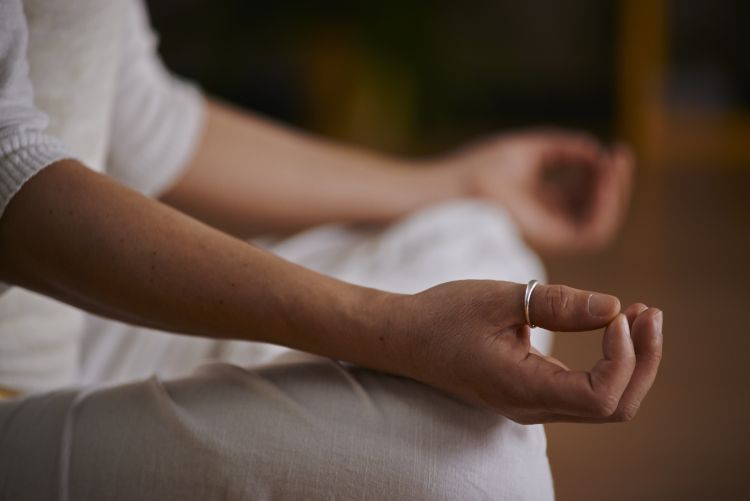
For some, this might include practices like movement, journaling, or mindfulness, not as tasks to complete, but as ways of reconnecting with yourself. For others, it may involve sharing your experience with someone you trust or seeking support from a mental health professional. What matters is not the specific strategy, but the willingness to respond to your internal experience with attention rather than dismissal.
Struggle does not always look like falling behind. Sometimes, it looks like continuing to move forward while carrying more than feels manageable. Distress beneath the surface deserves just as much attention as experiences that are more visible. Recognizing this is not a sign of weakness but a sign of strength. It can be the first step toward understanding yourself more fully.
 By Aanya Jajoo
Aanya Jajoo (she/her) is a graduate student in mental health counseling at Teachers College, Columbia University. Her clinical interests include adolescent and family therapy, intergenerational trauma, and culturally responsive mental health care. She is a dedicated SAMHIN volunteer.
Share your Thoughts
We invite you to share your thoughts, experiences, or reflections in the comments – your voice can help open the door for others.
Subscribe to SAMHIN’s email list if you would like to be notified when SAMHIN publishes new blog posts.





Leave A Comment