
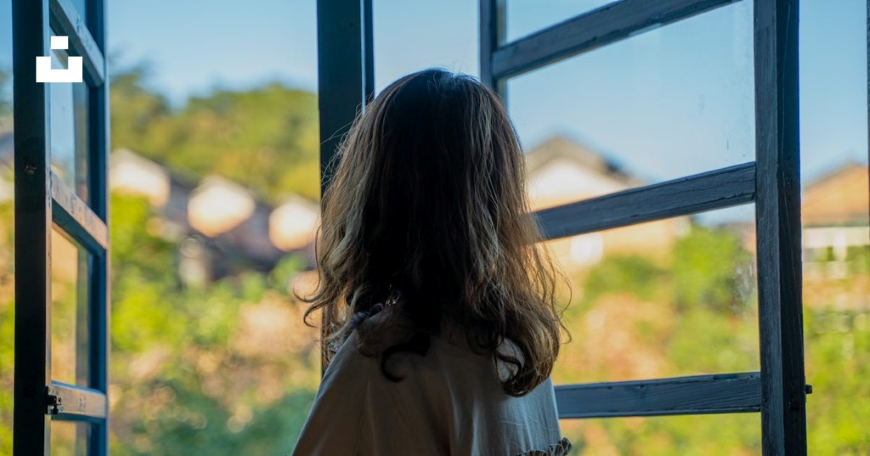
I have often wondered why it is so difficult for teens to ask for help.
If you ask a teenager how they’re doing, the answer is almost always “fine.” I’ve said it a hundred times. Sometimes it’s true. Sometimes it’s just easier than explaining what’s really going on.
So why is it so hard for us to ask for help? A big part of the answer is stigma.
Stigma is when people judge or shame others for struggling with their mental health. Calling someone “dramatic,” “too sensitive,” or “seeking attention” are examples of mental health stigma that can make asking for help feel like weakness. When you’re a teen, fitting in feels like everything, and admitting you’re struggling can feel like giving people a reason to see you differently. Because of that, many teens keep their feelings to themselves instead of reaching out. But nobody calls you weak for seeing a doctor about a broken arm. Your brain is part of your body, and mental health is health. Full stop.
Then there’s the guilt. We don’t want to worry our parents or burden our friends, so we keep things to ourselves. I think part of the problem is that we’re so used to asking people how they’re doing but not always making space for an honest answer. We say we want people to open up, yet we don’t always know how to respond when they do.
Family and culture play a part as well. In a lot of homes, feelings just aren’t talked about, and mental health can feel private or even embarrassing. Our parents grew up in a time when you pushed through and kept going. They may care deeply about us but struggle to discuss mental health because they never learned how.
And the pressure doesn’t help. Grades, college, sports, friend groups, and social media all tell us to keep up and make it look easy. When everyone else seems fine, struggling feels risky.
So, what actually helps?
If you’re an adult, how you react in those first thirty seconds matters more than anything. If we open up and get a lecture, or “you have nothing to be stressed about,” we won’t try again. Just listen. “That sounds really hard, thank you for telling me” goes a long way, and so does admitting you’ve struggled too.
If you’re a friend, you don’t need perfect words. “Hey, you’ve seemed off lately, I’m here if you want to talk” is enough. Listen, keep it private unless someone’s safety is at risk, and encourage them to talk to a trusted adult or counselor. You’re a friend, not their therapist, and that’s okay.
We can all challenge stigma. Talk about stress and sleep the way we talk about a sprained ankle. Check in on each other before things get bad. Call out the jokes that make struggling sound embarrassing. Every time someone talks about mental health like it’s normal, it gets a little easier for the next person.
If that’s you, you deserve to be heard. Reaching out is strength, not weakness. If you or someone you know is in crisis, please talk to a trusted adult or a local helpline right away.
As part of SAMHIN’s mission to encourage open conversations about mental health in the South Asian community, we invited Aamukta Malladi, who is passionate of spreading mental health awareness especially in the teenagers and youth, to share her perspective on why it is often so hard for teens to ask for help.
By Aamukta Malladi
High school student passionate about mental health awareness and a dedicated SAMHIN volunteer.
Share your Thoughts
I invite you to share your thoughts or experiences in the comments below.
Subscribe to SAMHIN’s email list if you would like to be notified when SAMHIN publishes new blog posts.



Great writing, specially coming from a high school student. You would be a great friend and teacher/doctor in mental health.
Thank you!! I really appreciate your kind words. It means a lot that you took the time to read my blog!
very well written!
Thank you! I’m glad you enjoyed reading it!
A very well articulated and thoughtful article.
Beautifully explained topic.
Keep those thoughtful writings coming through.
Great job, especially coming from a high schooler.
Thank you so much for your kind words and encouragement! It truly means a lot to me. I’m glad you enjoyed reading my article, and I look forward to sharing more thoughtful pieces in the future!